
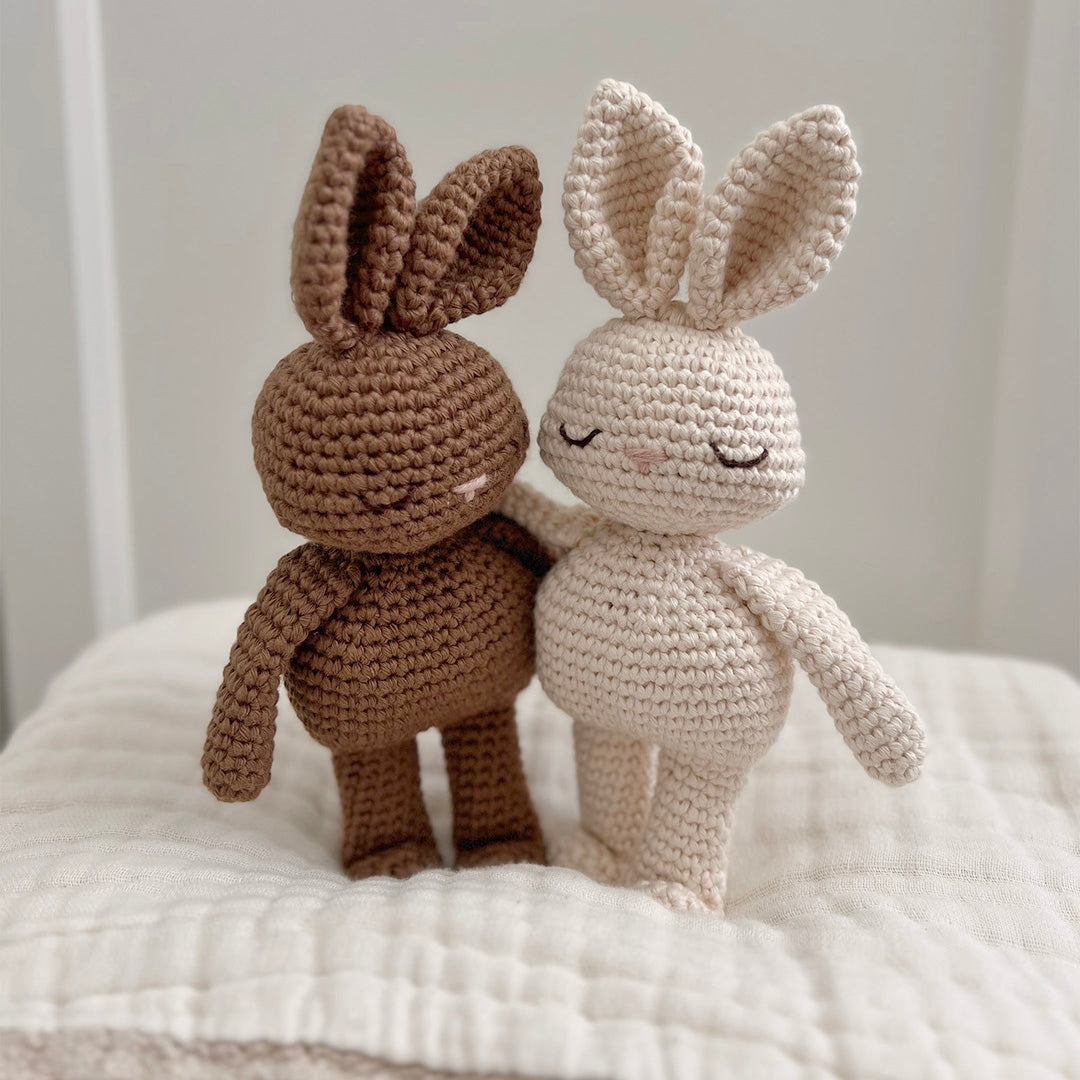
In the Norwegian news, microplastics in stuffed animals have received a lot of attention. First things first: The overwhelming majority of stuffed animals are made of polyester, the same plastic-based fiber that dominates clothing globally (around 55–57% of all fiber production). Polyester is often used both in the fuzzy outer fabric (e.g., “minky,” velboa, fleece) and as stuffing (“polyfiber”).
Can stuffed animals shed microplastics?
Yes. Like other plastic textiles, polyester can shed microfibers with wear and tear (cuddling, chewing) and washing. This is well documented for synthetic textiles in general, and also applies to fuzzy/pile fabrics typically used in teddy bears. Studies and European environmental authorities indicate that such textiles are a source of microplastics in indoor environments and wastewater – and that pile/fleece structures often shed more than smooth, woven fabrics.
A practical point: First washes usually account for the largest part of shedding from textiles, after which it decreases.
Health: what do we know – and what don't we know?
Researchers find micro- and nanoplastics in various human tissues (blood, placenta, blood vessels), and individual studies have linked these findings to an increased risk of cardiovascular disease. At the same time, the WHO emphasizes that the knowledge base for long-term health effects is still limited and inconclusive. In other words, there is reason to be cautious – without creating unnecessary fear.
Authorities are also moving: The EU/Norway has introduced restrictions on added microplastics (glitter, etc.), but this does not cover fibers that detach from textiles – which shows that the field is still evolving.
Prevention without panic: my recommendations
- Choose quality from reputable brands. Better construction and denser fabric can result in lower fiber shedding than cheap, "fluffy" alternatives. (There is great variation in how much different textiles shed.)
- Avoid “extra fluffy” products for the very youngest. High/fur-like “pile” typically sheds more fiber than short pile/smooth fabric.
- Do not let babies chew on polyester stuffed animals. For the oral phase, I recommend products with natural fiber outer fabric.
- Do not let babies sleep with stuffed animals in bed. This is generally a safe-sleep recommendation in Norway anyway (soft objects away from the sleeping area).
- Wash stuffed animals before use to remove loose fibers from production – preferably in a microfiber laundry bag or with a filter to prevent shedding into nature. (First washes shed the most.)
A safer choice for chewing: Patti Oslo
For babies who put everything in their mouths, I recommend Patti Oslo: stuffed animals with 100% cotton outer fabric (GOTS certified). In this case, any synthetic materials (stuffing/filling) are encapsulated inside, and the outside that the mouth meets is cotton.
Clothes too – not just teddy bears
The same applies to children's clothes: Synthetic garments (polyester/fleece) can shed microfibers with use and washing, while cotton/wool are available as alternatives. Polyester still dominates the market, so conscious choices and good clothing care are most effective.
What I do in the store
I will mark products that, in my assessment, may shed more easily (very fluffy/pile fabric). At the same time, I will highlight alternatives with cotton outer fabric (like Patti Oslo) for the youngest ones.
EN: “This is general information and not medical advice. Contact a health clinic/doctor for individual concerns.”